Top 30
UK cars with the lowest average tested mileage
Sorted by average tested mileage, ascending. 500-test minimum.
- 01 516
Lifan Hongda Lf110gy E
1,369 tests · 516 avg mi · 100.0% pass
Only 516 miles on average when it rolls into the bay — this petrol-powered model is being driven sparingly, which tends to mean rubber seals and brake components see more degradation from sitting than from miles. First-time pass rate is 100.0%.
- 02

 2,406
2,406Ccm Unclassified
1,399 tests · 2,406 avg mi · 91.7% pass
Only 2k miles on average when it rolls into the bay — this petrol-powered model is being driven sparingly, which tends to mean rubber seals and brake components see more degradation from sitting than from miles. It passes 91.7% of the time; the most common recorded faults are a non-conforming number plate and uneven braking force. Pass-after-rectification sits at 3.8%, in line with what you'd expect from a low-mileage fleet where faults lean minor.
- 03

 2,925
2,925Honda Z 125 MA K
1,642 tests · 2,925 avg mi · 94.5% pass
Only 3k miles on average when it rolls into the bay — this petrol-powered model is being driven sparingly, which tends to mean rubber seals and brake components see more degradation from sitting than from miles. It passes 94.5% of the time; the most common recorded faults are A transmission belt, chain, sprocket or pulley excessively loose or worn and A rear registration plate lamp or light source missing or inoperative in the case of a single lamp or all lamps. Pass-after-rectification sits at 3.7%, in line with what you'd expect from a low-mileage fleet where faults lean minor.
- 04 3,316
Pulse BT
1,381 tests · 3,316 avg mi · 98.3% pass
Only 3k miles on average when it rolls into the bay — this petrol-powered model is being driven sparingly, which tends to mean rubber seals and brake components see more degradation from sitting than from miles. It passes 98.3% of the time; the most common recorded faults are headlamp aim out of spec and Lamp emitted colour, position or intensity not in accordance with the requirements. Pass-after-rectification sits at 0.5%, in line with what you'd expect from a low-mileage fleet where faults lean minor.
- 05

 3,492
3,492Ferrari 488 Pista S A
1,476 tests · 3,492 avg mi · 97.4% pass
Only 3k miles on average when it rolls into the bay — this petrol-powered model is being driven sparingly, which tends to mean rubber seals and brake components see more degradation from sitting than from miles. It passes 97.4% of the time; the most common recorded faults are headlamp aim out of spec and Number plate missing or so insecure that it is likely to fall off. Pass-after-rectification sits at 1.5%, in line with what you'd expect from a low-mileage fleet where faults lean minor.
- 06
 3,807
3,807Royal Alloy GT 125i
1,410 tests · 3,807 avg mi · 87.8% pass
Only 4k miles on average when it rolls into the bay — this petrol-powered model is being driven sparingly, which tends to mean rubber seals and brake components see more degradation from sitting than from miles. It passes 87.8% of the time; the most common recorded faults are stiff steering bearings and tyre tread under the limit. Pass-after-rectification sits at 3.9%, in line with what you'd expect from a low-mileage fleet where faults lean minor.
- 07
 4,478
4,478Peugeot V Clic
1,617 tests · 4,478 avg mi · 95.7% pass
Only 4k miles on average when it rolls into the bay — this petrol-powered model is being driven sparingly, which tends to mean rubber seals and brake components see more degradation from sitting than from miles. It passes 95.7% of the time; the most common recorded faults are A lamp missing or inoperative and a non-functioning shock absorber. Pass-after-rectification sits at 1.1%, in line with what you'd expect from a low-mileage fleet where faults lean minor.
- 08

 6,032
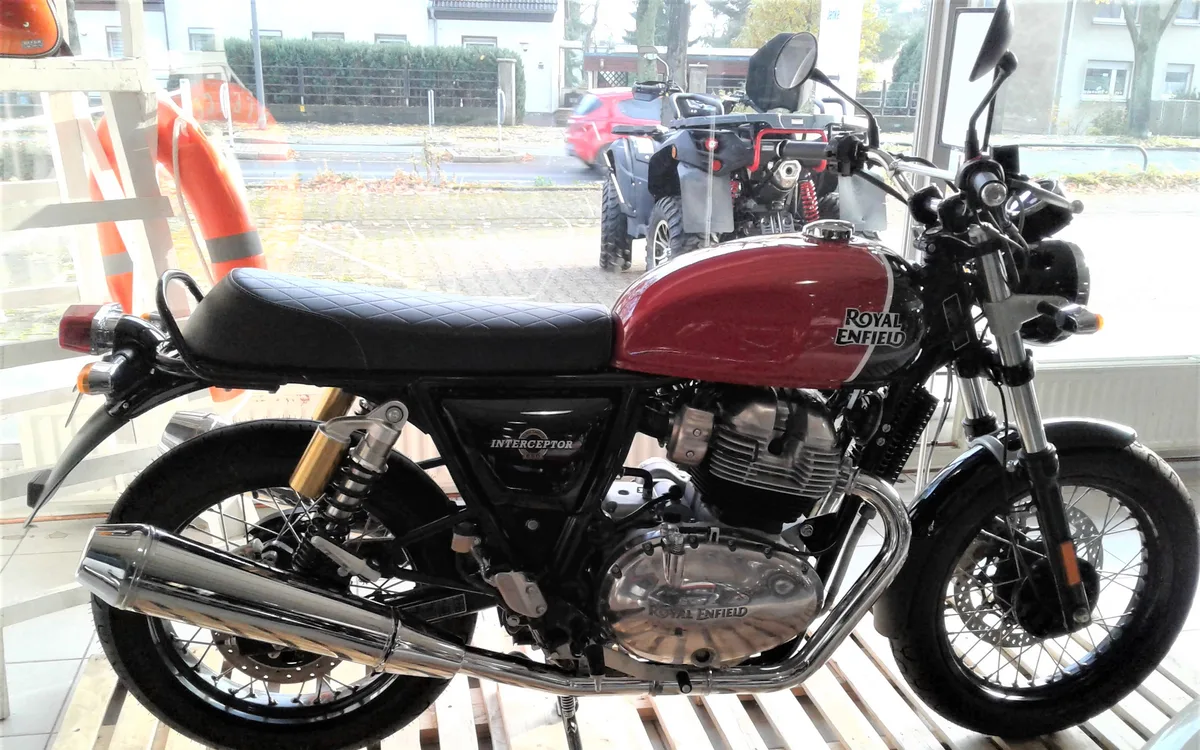
6,032Royal Enfield Interceptor Int 650
3,231 tests · 6,032 avg mi · 90.8% pass
Only 6k miles on average when it rolls into the bay — this petrol-powered model is being driven sparingly, which tends to mean rubber seals and brake components see more degradation from sitting than from miles. It passes 90.8% of the time; the most common recorded faults are Brake efficiency below minimum requirement and tyre tread under the limit. Pass-after-rectification sits at 5.7%, in line with what you'd expect from a low-mileage fleet where faults lean minor.
- 09

 6,517
6,517Triumph Street Triple RS
1,572 tests · 6,517 avg mi · 91.9% pass
Only 7k miles on average when it rolls into the bay — this petrol-powered model is being driven sparingly, which tends to mean rubber seals and brake components see more degradation from sitting than from miles. It passes 91.9% of the time; the most common recorded faults are uneven braking force and brake pads worn below 1.0 mm. Pass-after-rectification sits at 3.9%, in line with what you'd expect from a low-mileage fleet where faults lean minor.
- 10

 6,762
6,762BMW G310
1,627 tests · 6,762 avg mi · 91.6% pass
Only 7k miles on average when it rolls into the bay — this petrol-powered model is being driven sparingly, which tends to mean rubber seals and brake components see more degradation from sitting than from miles. It passes 91.6% of the time; the most common recorded faults are brake pads worn below 1.0 mm and A headlamp missing, inoperative or more than ½ not functioning in the case of LED. Pass-after-rectification sits at 4.0%, in line with what you'd expect from a low-mileage fleet where faults lean minor.
- 11

 6,863
6,863Ktm Unclassified
1,385 tests · 6,863 avg mi · 83.2% pass
Only 7k miles on average when it rolls into the bay — this petrol-powered model is being driven sparingly, which tends to mean rubber seals and brake components see more degradation from sitting than from miles. It passes 83.2% of the time; the most common recorded faults are Audible warning not working and A lamp missing or inoperative. Pass-after-rectification sits at 7.1%, in line with what you'd expect from a low-mileage fleet where faults lean minor.
- 12
 7,375
7,375Ferrari 812 Superfast S A
2,189 tests · 7,375 avg mi · 95.5% pass
Only 7k miles on average when it rolls into the bay — this petrol-powered model is being driven sparingly, which tends to mean rubber seals and brake components see more degradation from sitting than from miles. It passes 95.5% of the time; the most common recorded faults are Windscreen or window excessively tinted but not adversely affecting driver's view and Number plate missing or so insecure that it is likely to fall off. Pass-after-rectification sits at 2.3%, in line with what you'd expect from a low-mileage fleet where faults lean minor.
- 13
 7,869
7,869BMW R Ninet
4,924 tests · 7,869 avg mi · 92.3% pass
Only 8k miles on average when it rolls into the bay — this petrol-powered model is being driven sparingly, which tends to mean rubber seals and brake components see more degradation from sitting than from miles. It passes 92.3% of the time; the most common recorded faults are uneven braking force and tyre tread under the limit. Pass-after-rectification sits at 4.5%, in line with what you'd expect from a low-mileage fleet where faults lean minor.
- 14
 7,995
7,995Lexmoto Lxr 125 SY 125 10
1,881 tests · 7,995 avg mi · 68.0% pass
Only 8k miles on average when it rolls into the bay — this petrol-powered model is being driven sparingly, which tends to mean rubber seals and brake components see more degradation from sitting than from miles. It passes 68.0% of the time; the most common recorded faults are headlamp aim out of spec and a non-functioning shock absorber. Pass-after-rectification sits at 9.1%, in line with what you'd expect from a low-mileage fleet where faults lean minor.
- 15
 7,998
7,998Triumph Scrambler
1,716 tests · 7,998 avg mi · 88.9% pass
Only 8k miles on average when it rolls into the bay — this petrol-powered model is being driven sparingly, which tends to mean rubber seals and brake components see more degradation from sitting than from miles. It passes 88.9% of the time; the most common recorded faults are a non-conforming number plate and a missing rear reflector. Pass-after-rectification sits at 6.6%, in line with what you'd expect from a low-mileage fleet where faults lean minor.
- 16

 8,059
8,059Ducati Scrambler
1,752 tests · 8,059 avg mi · 91.2% pass
Only 8k miles on average when it rolls into the bay — this petrol-powered model is being driven sparingly, which tends to mean rubber seals and brake components see more degradation from sitting than from miles. It passes 91.2% of the time; the most common recorded faults are uneven braking force and a non-functioning shock absorber. Pass-after-rectification sits at 3.7%, in line with what you'd expect from a low-mileage fleet where faults lean minor.
- 17
 8,125
8,125Honda Msx
5,026 tests · 8,125 avg mi · 83.8% pass
Only 8k miles on average when it rolls into the bay — this petrol-powered model is being driven sparingly, which tends to mean rubber seals and brake components see more degradation from sitting than from miles. It passes 83.8% of the time; the most common recorded faults are a missing rear reflector and a non-conforming number plate. Pass-after-rectification sits at 7.6%, in line with what you'd expect from a low-mileage fleet where faults lean minor.
- 18 8,466
Honda Cbf 125 M M
1,957 tests · 8,466 avg mi · 87.6% pass
Only 8k miles on average when it rolls into the bay — this petrol-powered model is being driven sparingly, which tends to mean rubber seals and brake components see more degradation from sitting than from miles. It passes 87.6% of the time; the most common recorded faults are tyre tread under the limit and A transmission belt, chain, sprocket or pulley excessively loose or worn. Pass-after-rectification sits at 4.8%, in line with what you'd expect from a low-mileage fleet where faults lean minor.
- 19 8,515
Honda Cmx 500 A X
1,302 tests · 8,515 avg mi · 92.8% pass
Only 9k miles on average when it rolls into the bay — this petrol-powered model is being driven sparingly, which tends to mean rubber seals and brake components see more degradation from sitting than from miles. It passes 92.8% of the time; the most common recorded faults are a non-functioning shock absorber and brake pads worn below 1.0 mm. Pass-after-rectification sits at 2.9%, in line with what you'd expect from a low-mileage fleet where faults lean minor.
- 20
 8,560
8,560Royal Enfield Himalayan
2,101 tests · 8,560 avg mi · 89.2% pass
Only 9k miles on average when it rolls into the bay — this petrol-powered model is being driven sparingly, which tends to mean rubber seals and brake components see more degradation from sitting than from miles. It passes 89.2% of the time; the most common recorded faults are a stop-lamp out and stiff steering bearings. Pass-after-rectification sits at 4.8%, in line with what you'd expect from a low-mileage fleet where faults lean minor.
- 21
 8,715
8,715Keeway Superlight
2,292 tests · 8,715 avg mi · 69.2% pass
Only 9k miles on average when it rolls into the bay — this petrol-powered model is being driven sparingly, which tends to mean rubber seals and brake components see more degradation from sitting than from miles. It passes 69.2% of the time; the most common recorded faults are a stop-lamp out and A headlamp missing, inoperative or more than ½ not functioning in the case of LED. Pass-after-rectification sits at 8.8%, in line with what you'd expect from a low-mileage fleet where faults lean minor.
- 22
 9,146
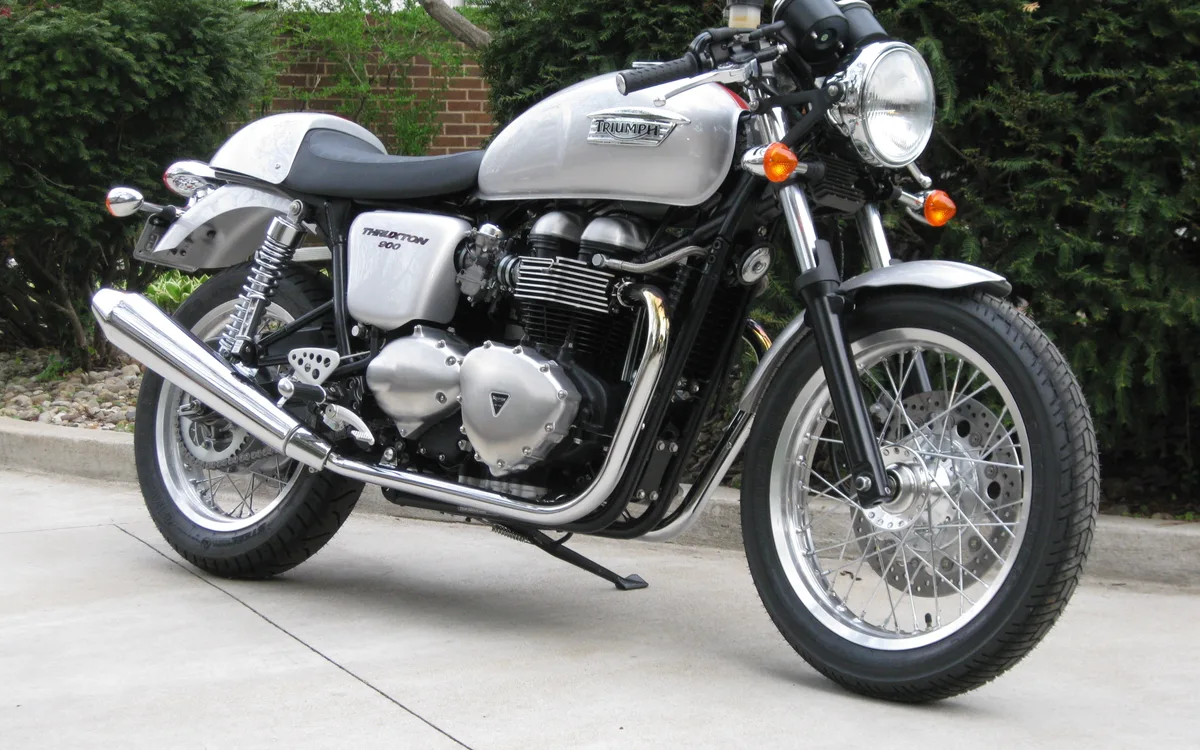
9,146Triumph Thruxton
3,895 tests · 9,146 avg mi · 90.2% pass
Only 9k miles on average when it rolls into the bay — this petrol-powered model is being driven sparingly, which tends to mean rubber seals and brake components see more degradation from sitting than from miles. It passes 90.2% of the time; the most common recorded faults are tyre tread under the limit and a non-conforming number plate. Pass-after-rectification sits at 5.2%, in line with what you'd expect from a low-mileage fleet where faults lean minor.
- 23
 9,205
9,205Triumph Speed
4,660 tests · 9,205 avg mi · 90.9% pass
Only 9k miles on average when it rolls into the bay — this petrol-powered model is being driven sparingly, which tends to mean rubber seals and brake components see more degradation from sitting than from miles. It passes 90.9% of the time; the most common recorded faults are uneven braking force and tyre tread under the limit. Pass-after-rectification sits at 4.5%, in line with what you'd expect from a low-mileage fleet where faults lean minor.
- 24 9,224
Peugeot Kisbee
1,889 tests · 9,224 avg mi · 77.9% pass
Only 9k miles on average when it rolls into the bay — this petrol-powered model is being driven sparingly, which tends to mean rubber seals and brake components see more degradation from sitting than from miles. It passes 77.9% of the time; the most common recorded faults are A headlamp missing, inoperative or more than ½ not functioning in the case of LED and Brake control has insufficient reserve travel. Pass-after-rectification sits at 6.2%, in line with what you'd expect from a low-mileage fleet where faults lean minor.
- 25
 9,249
9,249Honda Cbr 650 RA K
1,276 tests · 9,249 avg mi · 87.9% pass
Only 9k miles on average when it rolls into the bay — this petrol-powered model is being driven sparingly, which tends to mean rubber seals and brake components see more degradation from sitting than from miles. It passes 87.9% of the time; the most common recorded faults are tyre tread under the limit and a non-conforming number plate. Pass-after-rectification sits at 6.0%, in line with what you'd expect from a low-mileage fleet where faults lean minor.
- 26
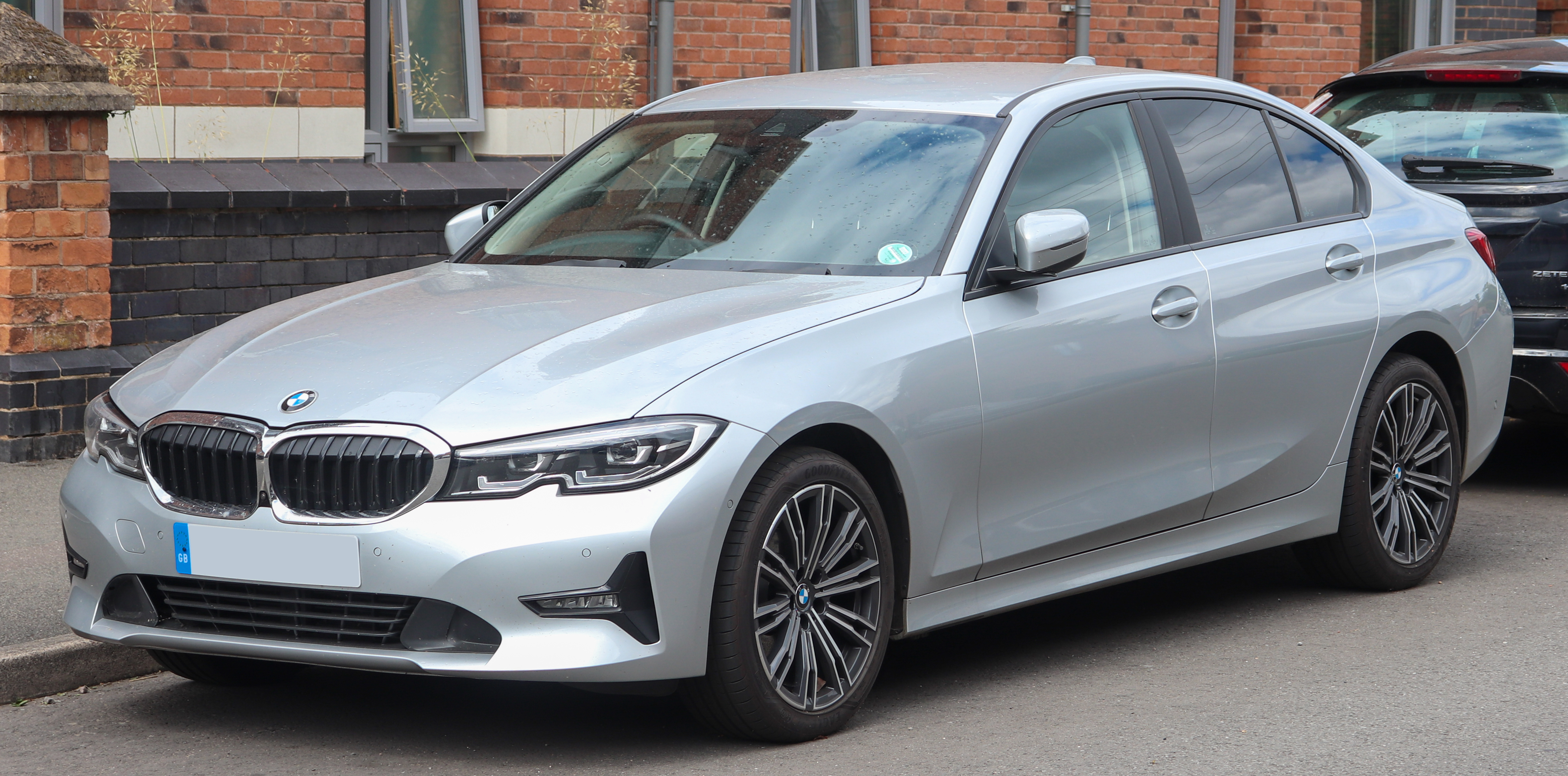 9,364
9,364BMW S 1000 XR TE
1,614 tests · 9,364 avg mi · 97.3% pass
Only 9k miles on average when it rolls into the bay — this petrol-powered model is being driven sparingly, which tends to mean rubber seals and brake components see more degradation from sitting than from miles. It passes 97.3% of the time; the most common recorded faults are uneven braking force and a non-conforming number plate. Pass-after-rectification sits at 1.1%, in line with what you'd expect from a low-mileage fleet where faults lean minor.
- 27
 9,386
9,386Triumph Street
7,099 tests · 9,386 avg mi · 91.2% pass
Only 9k miles on average when it rolls into the bay — this petrol-powered model is being driven sparingly, which tends to mean rubber seals and brake components see more degradation from sitting than from miles. It passes 91.2% of the time; the most common recorded faults are brake pads worn below 1.0 mm and Audible warning not working. Pass-after-rectification sits at 4.5%, in line with what you'd expect from a low-mileage fleet where faults lean minor.
- 28

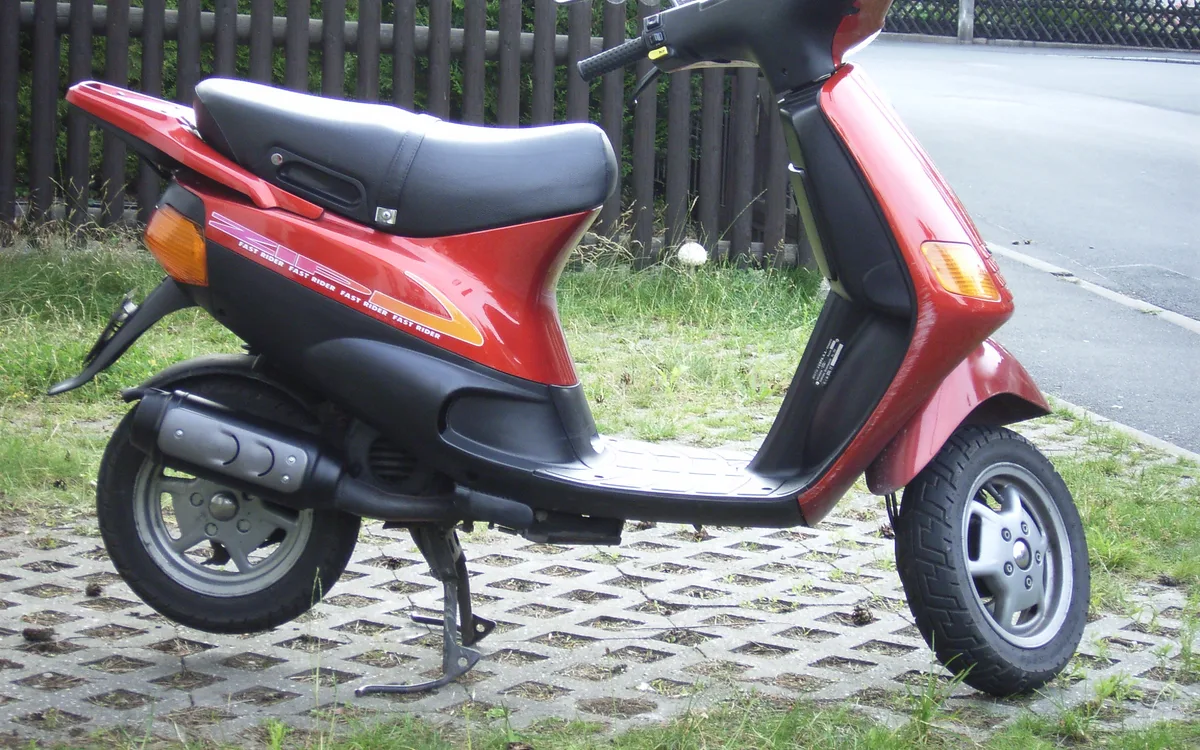 9,401
9,401Piaggio Zip
2,450 tests · 9,401 avg mi · 77.3% pass
Only 9k miles on average when it rolls into the bay — this petrol-powered model is being driven sparingly, which tends to mean rubber seals and brake components see more degradation from sitting than from miles. It passes 77.3% of the time; the most common recorded faults are a stop-lamp out and A headlamp missing, inoperative or more than ½ not functioning in the case of LED. Pass-after-rectification sits at 5.8%, in line with what you'd expect from a low-mileage fleet where faults lean minor.
- 29

 9,743
9,743Harley Davidson XL
3,658 tests · 9,743 avg mi · 88.9% pass
Only 10k miles on average when it rolls into the bay — this petrol-powered model is being driven sparingly, which tends to mean rubber seals and brake components see more degradation from sitting than from miles. It passes 88.9% of the time; the most common recorded faults are Reflector colour or position not in accordance with the requirements and A stop lamp(s) remains on when the brakes are released. Pass-after-rectification sits at 6.0%, in line with what you'd expect from a low-mileage fleet where faults lean minor.
- 30
 9,877
9,877Triumph Tiger 900 GT Pro
1,700 tests · 9,877 avg mi · 94.6% pass
Only 10k miles on average when it rolls into the bay — this petrol-powered model is being driven sparingly, which tends to mean rubber seals and brake components see more degradation from sitting than from miles. It passes 94.6% of the time; the most common recorded faults are uneven braking force and stiff steering bearings. Pass-after-rectification sits at 2.9%, in line with what you'd expect from a low-mileage fleet where faults lean minor.